Mastering the Art of Photography
Photography is an exquisite art form that, when mastered, can literally capture the essence of the moment and translate it into visual poetry. Whether you’re wielding the camera for personal pleasure, professional pursuits, or simply to capture the fleeting beauty of luxury supercar rentals, photography demands a keen eye and an understanding of both technical and creative elements. In this article, we will explore the fundamental aspects that every aspiring photographer should consider, offering insights into the intricate dance between light, composition, and creativity.
Understanding Your Gear
To truly master photography, it’s essential to have a strong grasp of your equipment. Cameras and lenses come in many shapes and sizes, each offering unique features that can enhance your photography skills. Here’s a quick guide to understanding your gear:
- Cameras: Decide whether a DSLR or a mirrorless camera suits your needs. DSLRs offer reliability and an extensive range of lenses, while mirrorless cameras are lightweight and come with advanced features.
- Lenses: The choice of lens can dramatically affect your images. Wide-angle lenses are perfect for landscapes, while telephoto lenses are ideal for portraits and wildlife photography.
- Accessories: Invest in a quality tripod, filters, and a reliable camera bag to keep your equipment safe and functional.
The Power of Composition
Composition is the backbone of photography. It’s what turns a simple image into a masterpiece. To enhance your compositional skills, consider the following techniques:
- Rule of Thirds: Divide your frame into nine equal parts and align your subject along these lines or their intersections to create balanced and engaging photos.
- Leading Lines: Use natural or man-made lines to direct viewer’s attention to the focal point of your image.
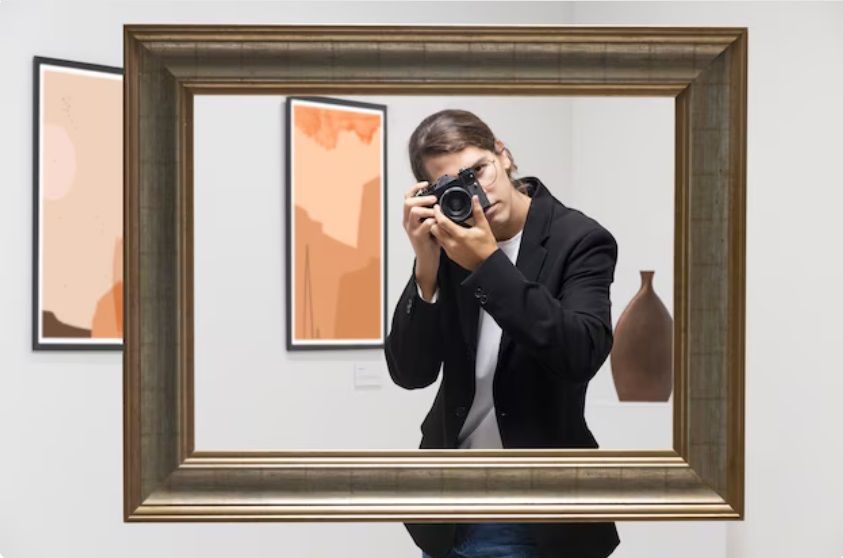
- Framing: Incorporate elements such as windows or arches to frame your subject, adding depth and context to your composition.
Lighting: The Photographer’s Best Friend
Understanding and controlling light is critical in photography. It influences the mood, texture, and overall impact of your photos. Here are some tips to manage lighting effectively:
- Golden Hour: Shoot during early morning or late afternoon when natural light is soft and warm.
- Artificial Lighting: Utilize reflectors, flash, and studio lights to manipulate light when shooting indoors or at night.
- Natural Light: Embrace natural light for authentic, crisp imagery, and understand how to use shadows to your advantage.
Editing: The Final Touch
Post-processing can be literally as crucial as the initial shot when it comes to refining your photos. Using editing software like Adobe Lightroom or Photoshop, photographers can correct imperfections, enhance colors, and crop images for better composition. Allocate time to master basic editing techniques, as they can significantly elevate the quality of your photographs.
Inspirations and Styles
Photography is a vast field with various styles and inspirations. Find what resonates with you and pursue it passionately. Some popular photography styles include:
- Portrait Photography: Focuses on capturing the personality and expression of a person or group of people.
- Landscape Photography: Emphasizes capturing the beauty and vastness of nature.
- Street Photography: Revolves around capturing candid moments in public spaces, often with an emphasis on human interactions.
Beyond the Frame
Photography is more than a hobby or profession; it’s a powerful medium for storytelling and emotional expression. Like the meticulous art of Car wrapping in Dubai, it involves attention to detail, creativity, and precision. As you pursue your journey in photography, remember that every click is an opportunity to learn, explore, and see the world from a new perspective. Keep your passion alive, and let your lens reveal the beauty that exists beyond the ordinary, for the perfect frame is out there waiting for you to capture it.