The Rise of Commercial Drones: Transforming Various Industries
Introduction to Commercial Drones
In recent years, commercial drones have emerged as transformative tools across various sectors. These unmanned aerial vehicles (UAVs) are not just a novel technology; they are reshaping business operations and redefining efficiency standards. According to industry insights, the incorporation of drones can drastically enhance productivity, safety, and data acquisition for numerous applications. Companies like Acecore Technologies are at the forefront of this evolution, providing cutting-edge drones optimized for a multitude of commercial uses. You can learn more about their offerings at https://acecoretechnologies.com, where various models cater to specific industry needs.
Drones in Agriculture
The agriculture sector is one of the most significant beneficiaries of drone technology. Farmers are now utilizing drones to monitor crop health, assess soil conditions, and manage irrigation systems more effectively. The aerial perspectives provided by drones enable precision agriculture, which can lead to increased yields and lower costs.
- Crop Monitoring: Drones equipped with advanced imaging technology can identify plant health, nutrient deficiencies, and pest infestations.
- Soil Analysis: Drones help gather data on soil health and moisture levels, allowing for better resource management.
- Irrigation Management: With aerial surveys, farmers can optimize irrigation practices to ensure water efficiency.
Transportation and Logistics
The logistics and transportation sectors are witnessing a significant shift due to the advent of commercial drones. With the demand for faster delivery times, many companies are investing in drone delivery systems. Amazon and UPS are experimenting with drone deliveries to transport packages more swiftly to consumers, particularly in urban areas.
- Last-Mile Delivery: Drones can cover short distances quickly, ensuring timely delivery to customers’ doorsteps.
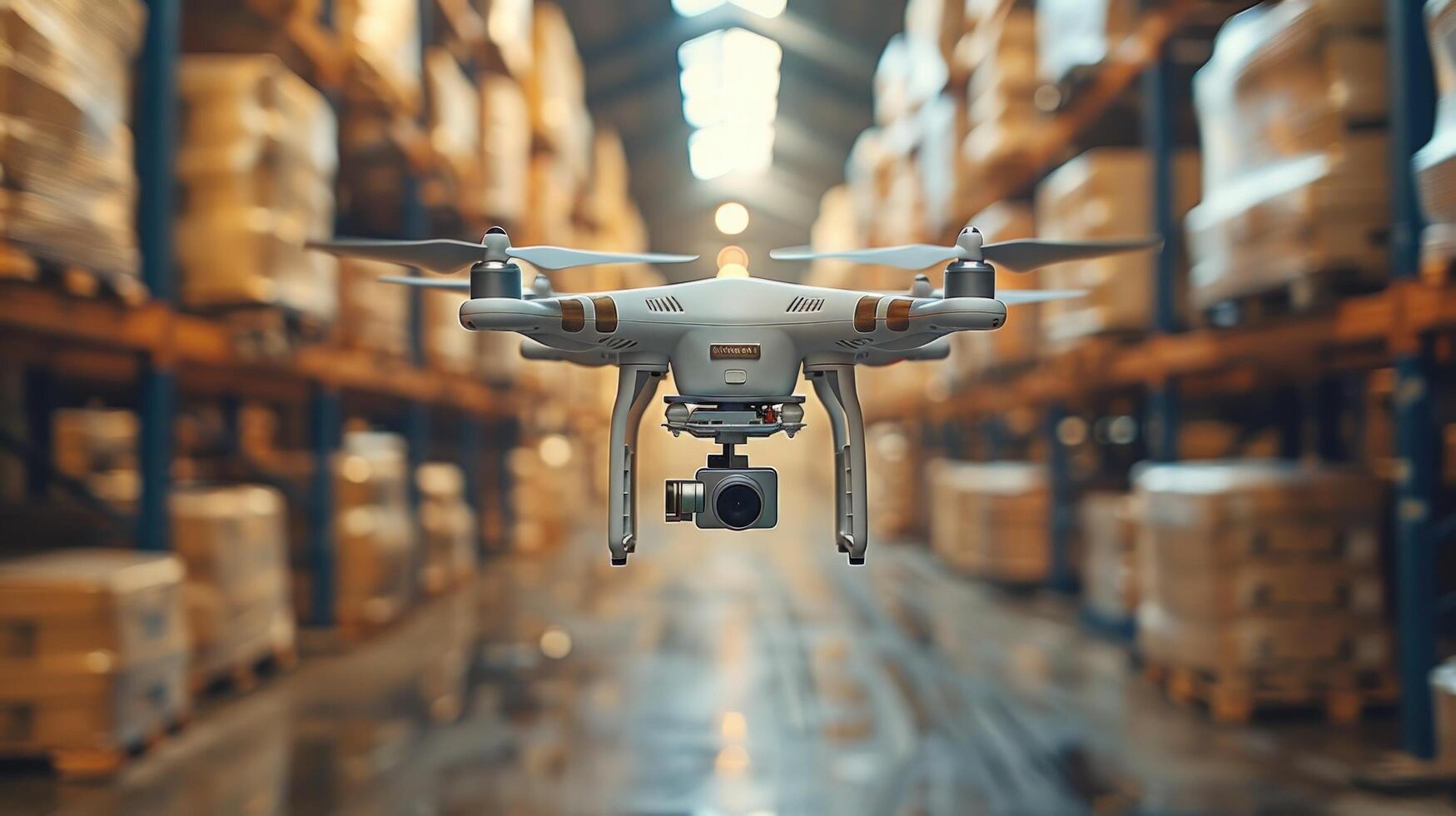
- Inventory Management: Drones can scan warehouse inventories and provide real-time data, improving supply chain efficiency.
Construction and Infrastructure Inspection
Drones are becoming increasingly integral in the construction industry, especially for monitoring project progress and conducting site inspections. Traditional methods of inspection can be time-consuming and hazardous, but drones offer a safer and more effective alternative. They can quickly capture detailed images and data of sites, ensuring compliance with safety regulations.
- Site Surveys: Drones can perform 3D mapping to assist in planning and design phases.
- Inspection of Infrastructure: With their ability to access difficult-to-reach locations, drones are used to inspect bridges, towers, and other structures.
Environmental Monitoring and Conservation
Environmental scientists are also turning to drones for monitoring ecosystems and wildlife populations. Drones can conduct aerial surveys of forests, wetlands, and other environments, providing accurate data that can help in conservation efforts. Their ability to capture high-resolution imagery allows for the monitoring of changes in habitats over time, thereby aiding in the fight against climate change.
Challenges and Regulatory Framework
While the potential of commercial drones is vast, several challenges remain. Regulatory frameworks governing drone usage are still evolving. Issues related to air traffic management, privacy, and safety regulations need to be addressed to maximize the benefits of this technology. Stakeholders, including governments, industry players, and regulatory bodies, are working together to create a robust legal framework that ensures the safe integration of drones into everyday operations.
Innovations on the Horizon
The future of commercial drones appears promising, with continual advancements in technology. Innovations such as AI integration, improved battery life, and enhanced imaging capabilities are likely to propel drone usage even further across sectors. Those who embrace this technology while addressing regulatory and safety concerns will be well-positioned to lead their industries into the next era of efficiency.
Flying Into the Future of Industry
As commercial drones continue to rise in popularity and application, their impact across various industries cannot be overstated. From agriculture to logistics and environmental monitoring, they are redefining operational efficiencies and propelling businesses into the future. By leveraging innovative capabilities and addressing existing challenges, we can look forward to a future where drones are integral to everyday industrial practices.